
Home air · Air quality
One machine filters particles out of the air. The other pulls water out of it. Confusing the two is how a damp bedroom ends up with a very expensive fan.
An air purifier and a dehumidifier both sit in a room, both hum, and both promise cleaner air. They solve opposite problems. A purifier traps dust, pollen, smoke and pet dander that is already floating around. A dehumidifier removes the moisture that lets mould, mildew and dust mites thrive in the first place. Buy the wrong one and the room will feel exactly the same.
This guide explains what each machine does with the air, how the two are sized, where they disagree on noise and maintenance, and the specific situations where owning both is the cheaper answer.
The short answer
- Choose a purifier if the air smells stale, you wake up congested, or smoke, pollen and pet dander are the complaint.
- Choose a dehumidifier if windows sweat, walls feel cold and clammy, or a musty smell returns every summer.
- Do not buy a purifier to fix damp. It cannot remove water, and the filter will simply load up faster.
- In a basement flat on a humid coast, both machines do different jobs and neither replaces the other.
One filters particles, the other removes water
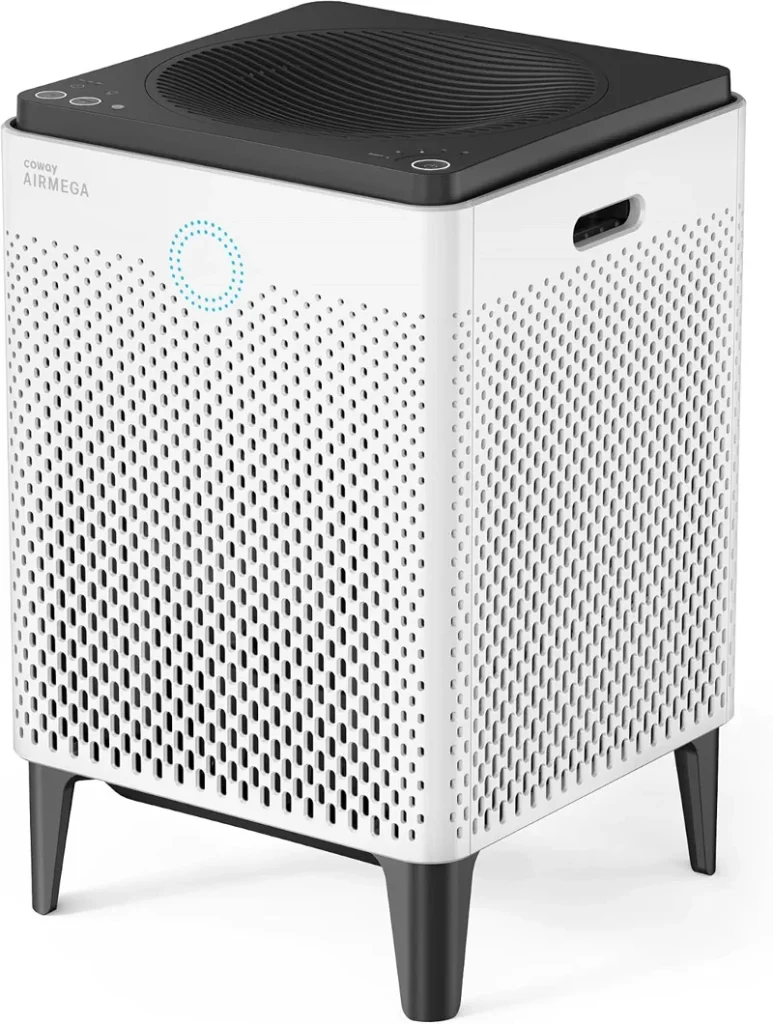
An air purifier pulls room air through a pre-filter and a HEPA filter, then pushes it back out. Particles are caught in the media and stay there until the filter is replaced. Nothing in the process changes the humidity of the room, because a fan and a filter have no way to condense water out of the air.
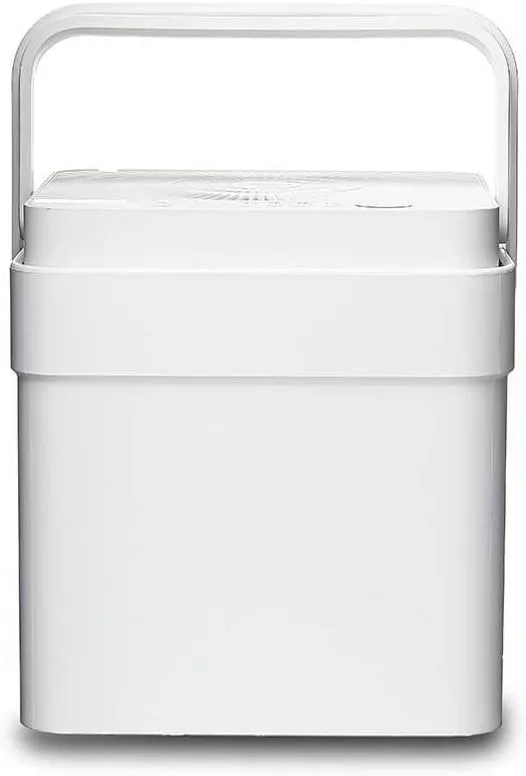
A dehumidifier does the opposite. It draws air over a cold coil, water condenses on that coil the way it condenses on a cold glass, and the water drips into a tank or a drain hose. The air that leaves the machine is drier but no cleaner. Some models add a basic dust filter, which is nice, but it is not filtration in any meaningful sense.
That single difference explains almost every buying mistake in this category. If the problem is airborne, it is a purifier problem. If the problem is wet, it is a dehumidifier problem. If the room is both dusty and damp, you are looking at two machines.
What each machine actually removes
A HEPA purifier is measured against particles. A true HEPA filter captures 99.97 percent of particles at 0.3 microns, which covers smoke, pollen, pet dander, dust and most of what a vacuum cleaner throws back into the air. Carbon layers, when they are present, take on odours and some gases. The filter does not kill mould, and it does not dry a wall.
A dehumidifier is measured in water. A 50 pint unit removes about 50 pints of water a day at the standard test conditions, which is roughly what a damp 1,000 square foot basement produces in humid weather. Removing that water takes away the conditions dust mites and mould need. It does not remove the spores already in the air, and it does not help with smoke.
Put simply: a purifier removes the thing you can see drifting through a sunbeam, and a dehumidifier removes the thing you can feel on a towel that never quite dries.
Sizing is not the same calculation
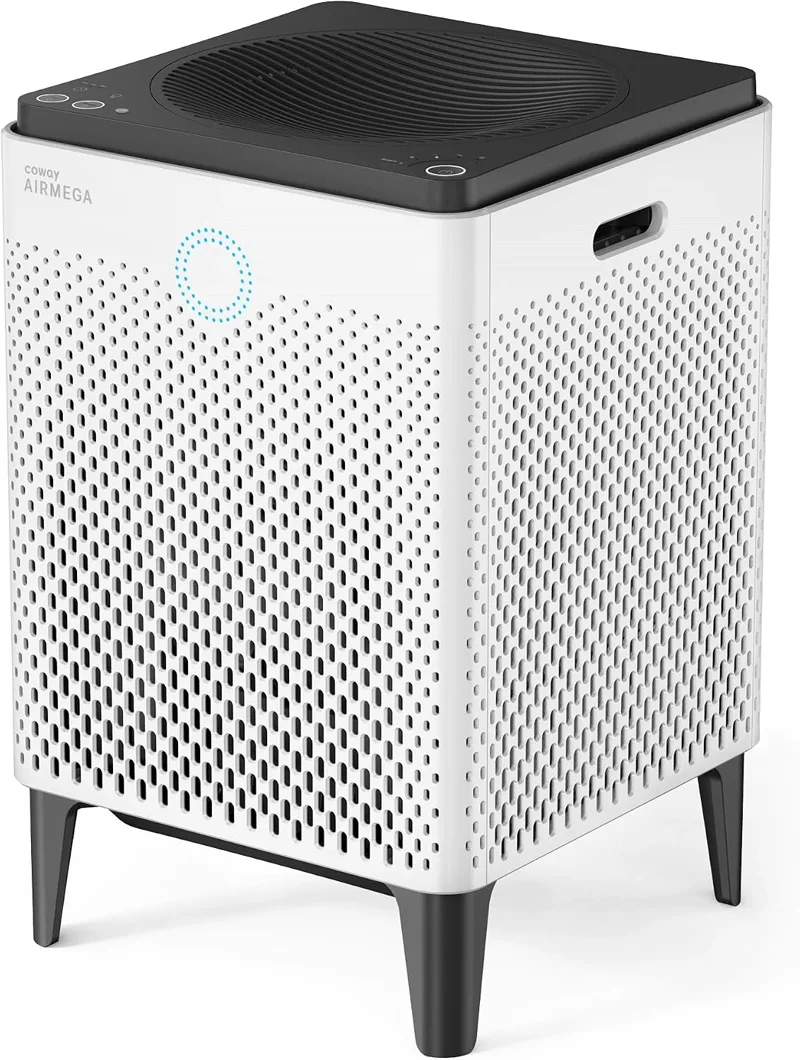
Purifiers are sold with a room size, and that number is usually quoted at a single air change per hour. In practice you want four to five air changes an hour in a bedroom and more in a living space, so halve the advertised figure and treat that as the honest room size. The specification that actually matters is CADR, the clean air delivery rate, which is measured in cubic feet per minute.
Dehumidifiers are sold in pints per day, and the number is tied to a temperature and humidity condition that is rarely the one in your basement. A 50 pint machine working in a cold cellar removes far less water than the same machine in a warm, sticky room. Capacity in pints, tank size in gallons and the presence of a drain hose matter more than the headline number.
The practical version: for a purifier, look for a CADR that is at least two thirds of the room area in square feet. For a dehumidifier, match the pint rating to the dampness of the space and make sure you can plumb a hose, because emptying a tank every day is how these machines end up in a cupboard.
Noise, placement and sleep
Both machines are fans, so both make noise, but they fail differently. A purifier on its highest setting is loud and on its lowest setting is nearly silent, which is why the auto mode matters more than the maximum airflow. A dehumidifier is louder overall because the compressor adds a low mechanical hum, and that hum carries through floors in a way a purifier does not.
Placement follows the airflow. A purifier wants to sit where air can circulate around it, ideally a metre from a wall and away from furniture that blocks the intake. A dehumidifier wants to be in the dampest space, with the door closed, because drying a whole floor through an open doorway is a slow and expensive way to work.
For a bedroom, that usually means a purifier beside the bed on a low setting and a dehumidifier outside the room, running during the day with the door shut.
Running cost and maintenance
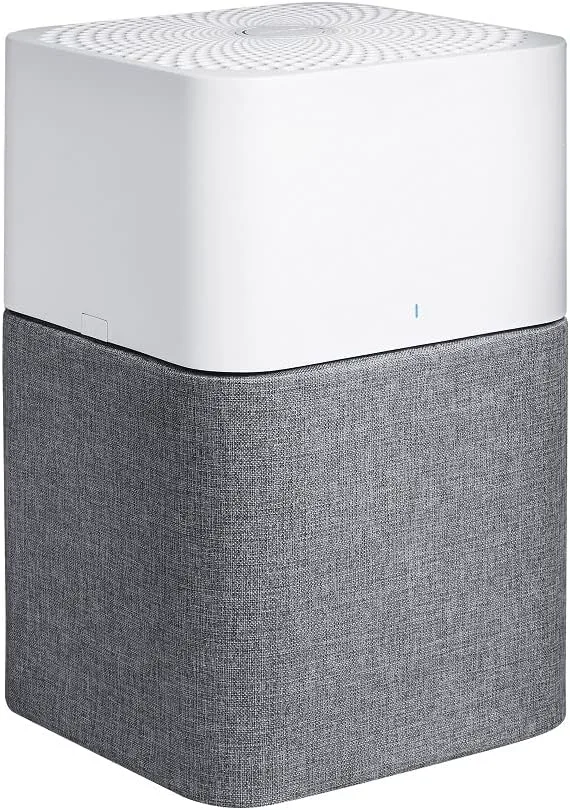
A purifier costs money in filters. Expect to replace a HEPA cartridge every six to twelve months in a normal home, sooner with pets or a nearby road. The fan itself draws very little, which is why a good purifier can run all night without showing up on a bill.
A dehumidifier costs money in electricity, because the compressor is doing real work. It also costs attention: the tank fills, the float switch trips, and the machine stops. A drain hose removes that chore entirely and is the single modification that makes a dehumidifier pleasant to own.
The maintenance asymmetry is worth remembering when the two are compared. One machine asks you to buy something twice a year, the other asks you to empty something every day. Both are cheap to run compared with the damage that damp or mould does to a building.
When a bedroom needs both
A bedroom in an older house on a humid coast often has two problems at once. The air is damp enough that the room smells musty when it has been closed all day, and it is dusty enough that the windowsill needs wiping every week. That room needs a dehumidifier to bring the moisture down and a purifier to deal with what is floating in the air.
The order of operations matters. Dry the room first. Mould spores and dust mites both need humidity to reproduce, so a dehumidifier running for a week will do more for the smell than a purifier running for a month. Once the room is dry, the purifier takes over the particle load and the filter lasts longer because it is not trapping moisture.
How the two compare side by side
The table below compares the two machine types on the points that decide a purchase. On a narrow screen the table stacks into one card per row, so nothing is cut off.
| Aspect | Air purifier | Dehumidifier |
|---|---|---|
| What it removes | Particles, smoke, pollen, dander | Water vapour from the air |
| How it works | Fan pushes air through a filter | Cold coil condenses water into a tank |
| Sizing spec | CADR in cubic feet per minute | Pints per day at test conditions |
| Best room | Bedroom, living room, home office | Basement, cellar, laundry, coastal ground floor |
| Noise | Quiet on low, audible on high | Compressor hum, carries through floors |
| Maintenance | Replace the filter twice a year | Empty the tank or plumb a hose |
| Running cost | Very low, filter cost dominates | Higher, compressor draws real power |
| Buy it if | The air smells stale or you wake congested | Windows sweat and the room smells musty |
A decision rule for a damp flat
If you can only buy one machine this month, buy the one that matches the symptom you can point at. Condensation on the glass, clothes that dry slowly, a smell that returns when the room has been shut: that is a dehumidifier. A tickle in the throat in the morning, dust settling on every surface, a cat: that is a purifier.
If you cannot tell which problem you have, buy a cheap humidity meter first. Anything that sits above 60 percent for most of the day is a moisture problem, and no amount of filtration will fix it.
What to buy first when you can only buy one
Three questions settle it without any further reading.
- Is there visible water, condensation or a smell that returns when the room is closed? Start with a dehumidifier.
- Is the complaint about what is floating in the air rather than what is growing on the walls? Start with a purifier.
- Is the room both damp and dusty? Buy the dehumidifier now and the purifier next season, in that order.
One last note on how the two are marketed. Purifiers are sold on air quality numbers and dehumidifiers on pints, and neither number tells you whether the machine fits your room. A slightly oversized purifier is a good buy because it runs on low. A slightly oversized dehumidifier is also a good buy because it reaches the set point faster and then stops.
For related comparisons, see our guide to robot vacuum versus cordless stick vacuum and the canister versus upright vacuum breakdown, both of which follow the same rule: match the machine to the mess.


