Kitchen · Small appliances
One appliance cooks rice and nothing else. The other cooks rice, stews, yoghurt and beans, and takes up the same square of worktop. The choice is about how often you actually cook.
A rice cooker and a multi-cooker both end up on the same short list because both promise a hot bowl of rice without a pot to watch. The difference is what happens on the other six days of the week. A rice cooker does one thing with a level of care that a pressure cooker cannot match; a multi-cooker does a dozen things adequately and asks you to learn its logic first.
This guide compares the two on the things that decide whether a machine stays on the counter or moves to the cupboard: rice quality, capacity, cleanup, footprint, and how much of the cooking you want to hand over.
The short answer
- Choose a rice cooker if rice is a daily staple and you want it perfect without thinking about it.
- Choose a multi-cooker if you want one pot for stews, beans, yoghurt and rice, and you have the counter space for a tall machine.
- Do not buy a multi-cooker for rice alone. The pressure cycle is harsher on delicate grains than a dedicated cooker.
- A small household cooking two cups at a time is usually better served by the smaller, simpler machine.
One cooks rice, the other cooks under pressure
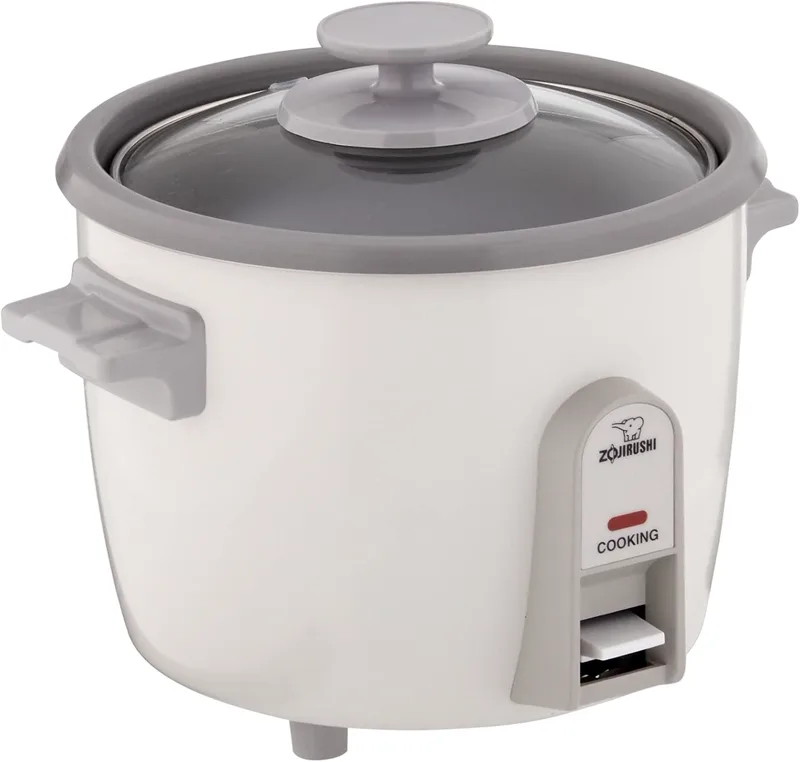
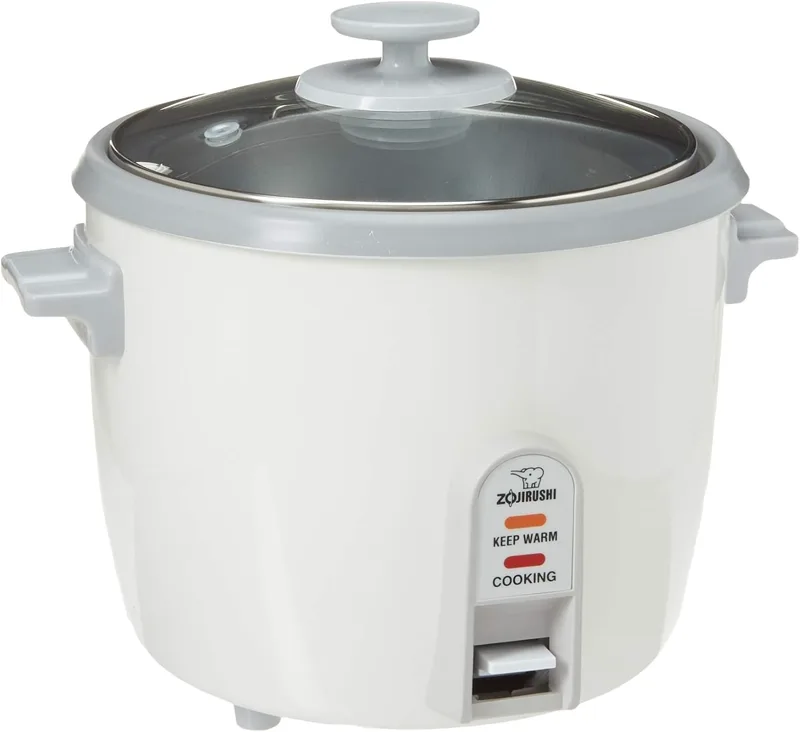
A rice cooker is a sealed pot with a heating element underneath and a sensor that watches temperature. It brings water to a boil, holds it there while the rice absorbs what it needs, then drops to a low warmth once the water is gone. Fuzzy logic models add a second sensor and adjust the curve for different grains, which is why a good cooker produces separate, glossy grains rather than a solid block.
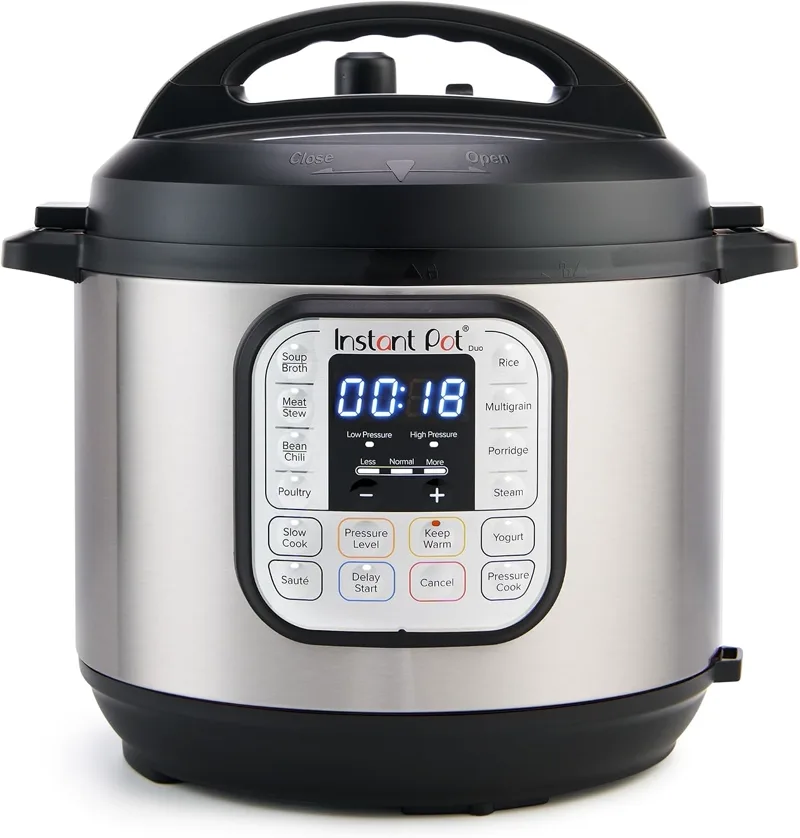
A multi-cooker is a pressure vessel with a control board. It seals, raises the internal pressure, and cooks at a higher temperature than boiling water allows. That is brilliant for beans, tough cuts and stews, and it is the reason a pot of chilli tastes like it has been simmering for hours. Rice is a side effect of the same hardware, not the reason it was designed.
The distinction sounds academic until you taste the difference. Pressure cooking drives moisture into the grain and out again quickly, which is fine for long grain rice and less flattering for short grain rice that is supposed to hold its shape.
Rice quality is not a tie
If rice is the main event, a dedicated cooker wins on consistency. The element is sized for a pot of rice, the lid is shaped to drip condensation back into the centre rather than down the sides, and the keep-warm mode holds rice at a temperature that does not dry it out or turn it sour for most of a day.
A multi-cooker can produce good rice. It needs the right water ratio, a natural release rather than a quick one, and a pot that is not crowded. It also needs you to be present at the end of the cycle, because the keep-warm function on most models is a warmer rather than a rice-holding mode and will crust the bottom layer within an hour.
For a household that eats rice three or more times a week, that difference compounds. For a household that cooks rice once a fortnight, it does not matter at all.
Capacity, footprint and the cupboard question
Rice cookers are sold in cups, and the cup is the small rice-cooker cup, not a measuring cup. A three cup model produces roughly five to six honest servings of cooked rice. A multi-cooker is sold in quarts and the same six quart pot will hold a whole chicken or a batch of chilli for four.
The footprint is where the two really diverge. A small rice cooker is short and wide, fits under a wall cabinet, and can be shoved into a cupboard between uses. A multi-cooker is tall, heavy and hot on the lid, which means it needs clearance above it and a spot where you are happy to leave it. In a small kitchen, that is often the deciding factor.
Cleanup and the parts that wear out
Both machines have an inner pot, and both pots are the part that ages. A rice cooker pot is usually non-stick and should be washed by hand, because the dishwasher takes the coating off within a year. A multi-cooker pot is often stainless steel and dishwasher safe, but the sealing ring in the lid absorbs the smell of every curry it cooks and needs replacing once or twice a year.
The rice cooker has one moving part, which is the hinge. The multi-cooker has a lid lock, a pressure valve, a float valve and a sealing ring, and every one of them needs to be clean for the machine to come up to pressure. That is not a reason to avoid one, but it is a reason to be honest about how much maintenance you will actually do.
Where the multi-cooker earns its space
The case for a multi-cooker is not rice. It is everything that used to need a slow afternoon: dried beans in under an hour, a pork shoulder that pulls apart, stock from scraps, yoghurt that sets overnight. If those are things you cook, the machine pays for itself in the first month.
It also replaces appliances rather than adding one. A slow cooker, a steamer and a yoghurt maker are all inside it. In a kitchen with three feet of worktop, that consolidation is worth more than any single function.
How the two compare side by side
The table below compares the two appliance types on the points that decide a purchase. On a narrow screen the table stacks into one card per row, so nothing is cut off.
| Aspect | Rice cooker | Multi-cooker |
|---|---|---|
| Main job | Rice, perfectly and repeatedly | Pressure cooking, stews, beans, rice |
| Rice quality | Even, separate grains, holds warm | Good with the right ratio and release |
| Capacity | Sold in cups of raw rice | Sold in quarts of pot volume |
| Footprint | Short, fits under a cabinet | Tall, needs clearance above |
| Keep warm | Designed for hours | Basic warmer, crusts the base |
| Cleanup | One non-stick pot, hand wash | Pot plus lid ring and valves |
| Replaces | Nothing else | Slow cooker, steamer, yoghurt maker |
| Buy it if | Rice is a daily staple | You cook stews and beans often |
A decision rule for a small kitchen
Count the meals you cooked last week that involved rice, and then count the meals that involved a long braise, beans or stock. If the first number is much larger, buy the rice cooker. If the second is, buy the multi-cooker. If both are large, buy the rice cooker first, because it is smaller, cheaper to run and will be used every day while you save for the second machine.
If you are cooking for one or two and the cupboard is already full, the honest answer is that a pot on the hob will do everything both machines do. The reason to buy either is convenience, and convenience is only worth paying for if it removes a step you actually resent.
What to buy first when you can only buy one
Three questions settle it without any further reading.
- Does rice appear on the table most days? Start with a rice cooker, and buy one size larger than the household needs.
- Do you cook beans, stews or stock from scratch more than once a week? Start with a multi-cooker.
- Is the worktop shorter than a metre? Buy the rice cooker, and use the hob for everything else.
For related comparisons, see our guide to blender versus juicer, the air fryer versus toaster oven breakdown, and the stand mixer versus food processor comparison, all of which follow the same rule: buy the appliance that matches the cooking you do, not the cooking you imagine.