Kitchen appliances · Drinks and prep
One machine keeps everything it is given; the other throws the fibre away. That single difference decides what you can actually make on a weekday morning.
A blender and a juicer are sold as rivals because they both turn fruit into something drinkable. That is where the resemblance stops. A blender keeps everything it is fed and turns it into a thick suspension; a juicer separates liquid from pulp and throws part of the produce away. Once you see that, the question stops being which machine is better and becomes which one matches the drink you actually make.
This guide is about behaviour rather than shopping tiers. It explains what each machine is genuinely good at, where each one disappoints, and which of the two a small kitchen with one stretch of counter will still be using a year from now.
The short answer
- Buy a blender if you want thick drinks, soups, sauces and nut butters from whole ingredients.
- Buy a juicer if clear juice in volume is the point and you will drink it the same day.
- Buy both only if you have a stretch of counter that neither machine has to leave.
- Decide by what you will make on a Tuesday morning, not by what you might make at a weekend brunch.
A blender keeps everything it is given
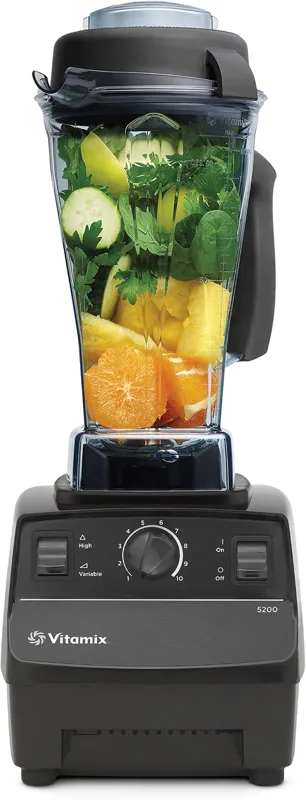
A blender is a jar with a blade at the bottom and a motor underneath it. Whatever goes in stays in: skin, seeds, fibre, ice and all. The blade spins fast enough to hold solids in suspension, so the result is thick rather than clear and it stays drinkable long enough to finish through a straw.
That wholeness is the whole point. Because nothing is discarded, a blender can make a drink that is also a meal, and it moves between jobs a juicer cannot touch at all. Soup, sauce, batter, nut butter and crushed ice all come out of the same jar, which is why the machine tends to stay on the counter once it arrives.
A juicer separates liquid from pulp
A juicer does the opposite job. It breaks produce down and then uses a basket or a press to push liquid through a screen while the fibre is left behind as pulp. What lands in the jug is clear, and what leaves the machine is a container full of the parts you did not drink.
That separation is why juice tastes different from a smoothie even when the ingredients are identical. Removing the fibre changes both the texture and the volume: a large pile of produce becomes a modest glass of liquid, which is either the appeal or the objection depending entirely on what you were hoping for.
Fast juicing and slow juicing are different machines
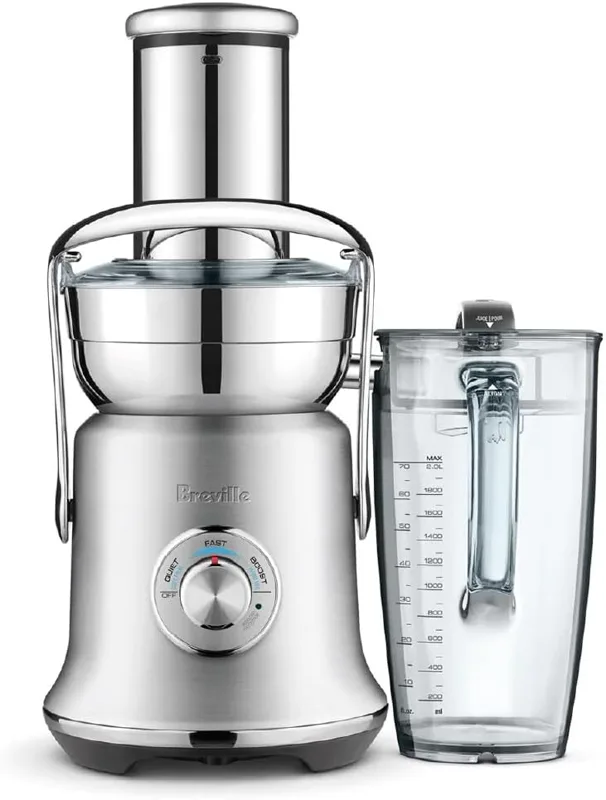
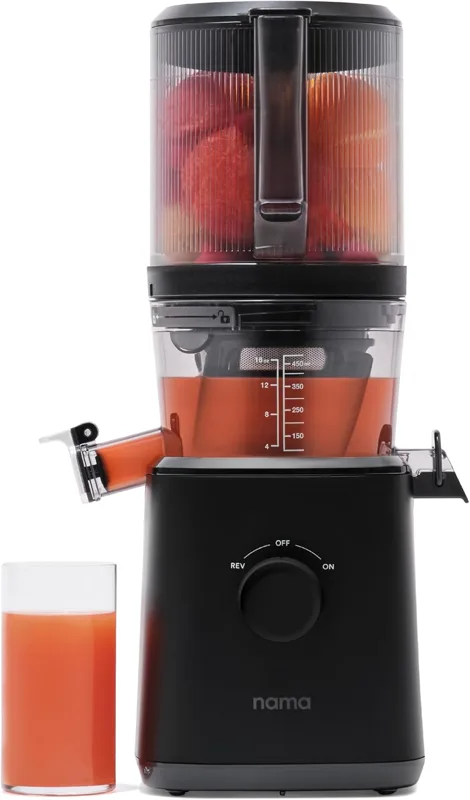
Juicers divide into two families that behave quite differently in daily use. A centrifugal machine shreds produce against a spinning basket and uses speed to throw the liquid through a mesh. A slow, or cold-press, machine crushes and squeezes at low speed, which puts less air into the juice and treats leafy greens and soft fruit more patiently.
Centrifugal machines are quick and take whole fruit easily, but they want cleaning promptly and they struggle with soft produce. Slow machines are quieter and gentler, but they take longer and ask for more space. Neither family is better in the abstract; each is better for a different basket of shopping.
Where the blender quietly wins
The blender’s advantage is range rather than power. One jar covers drinks, soups, sauces, dressings, purees and crushed ice, and it does so without a second appliance taking up space beside it. Three jobs in particular belong to the blender alone:
- Thick drinks that keep the fibre and hold their texture in a glass.
- Soup, sauce and puree blended in the same container it was cooked in.
- Nut butters, dressings and dips that a juicer simply cannot make.
If your cooking already involves blending something smooth, the jar is the machine that earns its counter space, because it works on dinner as well as on breakfast.
Where the juicer quietly wins
The juicer’s advantage is volume. A large pile of carrots, apples and greens becomes a manageable glass of liquid, which is a practical way to get through produce you would not otherwise eat in a day. Nothing else concentrates that much shopping into a single drink.
The second advantage is consistency. Because the pulp is removed, the result is predictable: the same produce gives the same glass every time, with no need to adjust liquid or thickness. That predictability is what turns juicing into a routine rather than an occasional project.
What ends up in the bin
The clearest way to choose between the two is to look at what each machine discards. A blender throws away nothing except the peel you chose not to include. A juicer throws away a steady stream of pulp, which is either a benefit or a waste depending on how you run a kitchen.
If you cook, that pulp has a second life in muffins, stocks and compost. If you do not, it goes straight into the bin and the effective cost of each glass rises quietly. Neither answer is wrong, but only one of them matches the way you actually cook.
Smoothies, clear juice and leafy greens
Most buying decisions come down to three jobs. Match the machine to the job you will repeat most often, and treat the other two as bonuses rather than requirements.
Smoothies and frozen fruit
Thick drinks with frozen fruit need a heavy jar and a blade that keeps moving as the mixture stiffens. This is blender work, and it is the one job a juicer cannot attempt at all without producing something watery.
Clear juice in volume
A jug of clear juice from a bag of carrots and apples is juicer work. A blender can copy the flavour but not the clarity, because the fibre stays in the glass and settles as soon as the machine stops.
Leafy greens
Spinach, kale and herbs are the awkward ingredients for both machines. A blender needs added liquid to keep them moving, while a slow juicer handles them better than a centrifugal one, which tends to throw them into the pulp basket before extracting much.
Cleaning is the habit that decides it
Both machines punish neglect, but they do it differently. A blender jar rinses in seconds if you fill it with warm water and run it briefly, so the friction of cleaning is small. A juicer has a basket, a screen and a pulp container, and dried pulp sets hard if it is left standing.
That difference decides whether the machine is used on a weekday. If cleaning a juicer takes twenty minutes, juice becomes a weekend event. If a blender takes two minutes, smoothies survive the working week without needing any resolve at all.
Counter footprint and where it lives
A blender is tall and narrow, so it competes for height under a wall cabinet more than for width. A juicer is usually shorter but wider, and its feed chute needs clearance above it to accept whole produce without pre-cutting everything into pieces.
Whichever you choose, plan the parking space before you buy. An appliance that has to be carried out of a cupboard and assembled twice a week will be used far less than the same appliance left plugged in on the counter, and that habit matters more than any difference in extraction.
How the two compare side by side
The table below compares the two appliances on the points that decide a purchase. On a narrow screen the table stacks into one card per row, so nothing is cut off.
| Aspect | Blender | Juicer |
|---|---|---|
| Result | Thick, whole-fruit texture | Clear liquid, no fibre |
| What it keeps | Skin, seeds and fibre | Juice only |
| Best at | Smoothies, soups, sauces | Juice in volume |
| Worst at | Clear juice | Thick blends and ice |
| Prep | Rough chop, cores to taste | Trim, then feed whole fruit |
| Yield | Everything you put in | Part of it leaves as pulp |
| Cleaning | Rinse the jar and blade | Rinse basket, screen and jug |
| Footprint | Tall jar under a cabinet | Feed chute needs headroom |
A decision rule for a small kitchen
If there is room for one machine and the goal is to eat more produce, count the jobs rather than the watts. A blender covers drinks, soups and sauces; a juicer covers drinks only. On a single stretch of counter, the blender earns its place more often.
If a blender already exists for cooking and the missing thing is juice, add a juicer rather than replacing the blender. But if neither machine exists yet and juice is the habit you want to build, start with a slow juicer and accept that it will never make soup.
What to buy first when you can only buy one
Three questions settle the choice faster than any comparison chart does:
- Will you make thick drinks or clear juice on most mornings?
- Is there a counter where the machine can stay plugged in?
- Will you clean the basket or the jar every single time you use it?
If the first answer is thick drinks and the third answer is honestly no, buy a blender. If the first answer is clear juice and the third answer is yes, buy a juicer and use it every week rather than eventually.
Three kitchens, three different answers
A kitchen that already cooks from scratch is blender territory, because the jar slides into a routine that exists anyway. A kitchen whose only ambition is a glass of greens before work is juicer territory, because the machine has one job and should do it quickly.
A kitchen with neither machine and no spare counter is the hard case. There, choose the appliance that replaces something you already do by hand, whether that is blending a soup or squeezing a bag of oranges. The kitchen and cooking archive collects the rest of the countertop comparisons, including the guide to stand mixers against food processors for kitchens short of space.
Whichever you choose, the machine still on the counter next year will be the one that is easy to clean, easy to reach, and matched to the drink you actually make on a Tuesday.