Home cleaning · Vacuums
One traps dust in a sealed bag, the other puts it back into the air you just cleaned. The difference shows up in daily routines, not on a spec sheet.
A vacuum has one job it cannot outsource: remove dust from a room without putting it back into the air. Bags and bins are two answers to that same question, and the answer you prefer usually depends on how much you care about the moment the machine is opened.
One design traps debris in a sealed paper or fabric bag that goes into the bin whole. The other collects it in a plastic bin that you tip out. Both clean floors, both have loyal owners, and the real differences appear in maintenance, running cost, and what happens when someone in the house sneezes.
Quick answer
- Choose bagged when allergies or asthma matter in the household.
- Choose bagless when you want to see what you picked up and dislike buying consumables.
- Budget for filters either way; bagless machines need more of them.
- Plan to empty outdoors or over a bin, never over the carpet.
The difference is where the dust ends up
A bag is a sealed container. Dust, hair, and fine grit go in and stay in, and the only time they are exposed is when the bag is full and you lift it out. A bin is an open container with a lid, and every emptying is a small dust event.
That is the whole argument in two sentences. Everything else, from running cost to suction behaviour, follows from how each design handles the moment of disposal. Read the rest of this comparison with that moment in mind.
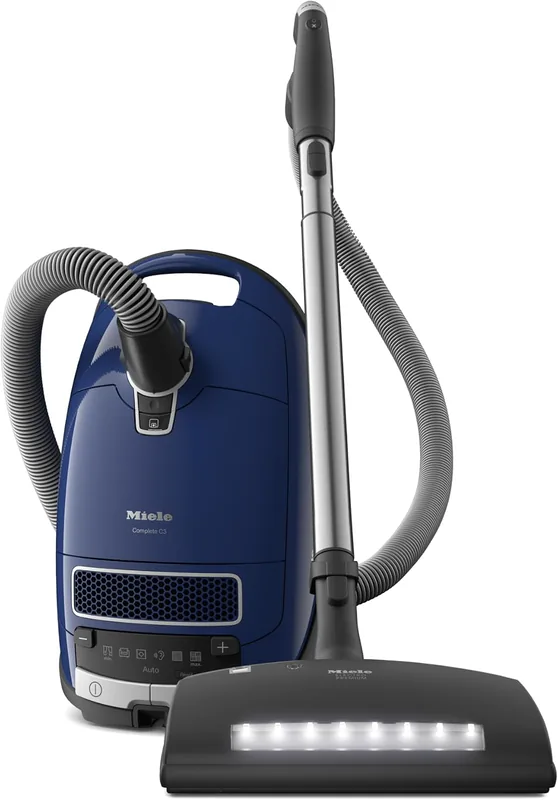
Bagged vacuums seal dust away from the room
Because the bag holds the debris, the airflow passes through fabric that traps fine particles before they reach the motor. The bag becomes part of the filtration, which is why allergy households often prefer them and why the exhaust air smells cleaner.
The bag also compresses what it collects. Fine dust packs into the folds, so usable capacity goes further than the litre figure suggests, and you empty less often than a bin of the same quoted size would require.
Bagless vacuums trade containment for convenience
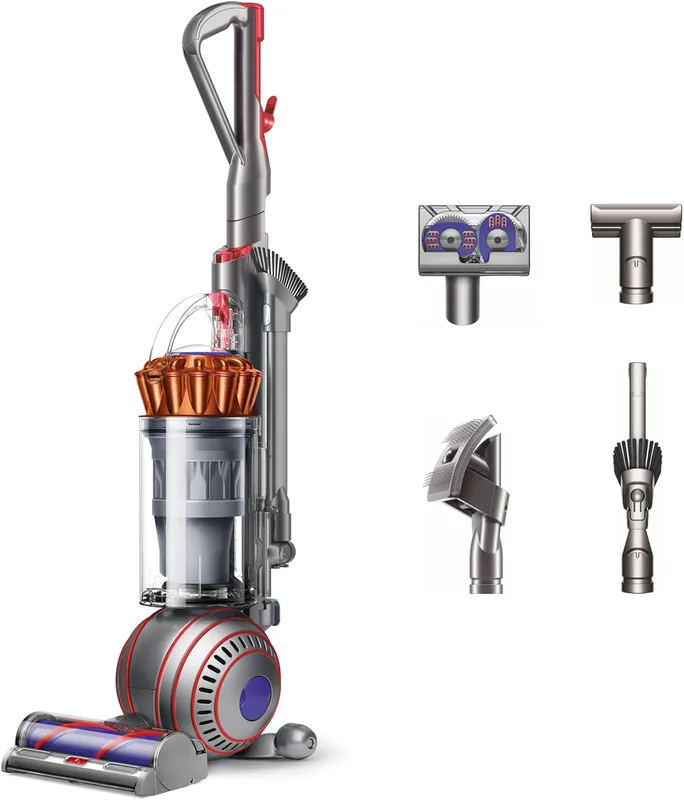
A bagless machine uses a cyclone to spin dust out of the airflow and drop it into a clear bin. There is no bag to buy, the fill level is visible, and the whole process feels more immediate and less like a subscription.
The trade is that the dust has to be released somewhere. Tipping a bin creates a puff of fine particles, and the filter that protects the motor sits downstream, collecting the fraction the cyclone misses. Both facts matter more than the capacity printed on the box.
Emptying a bin is the moment the two designs separate
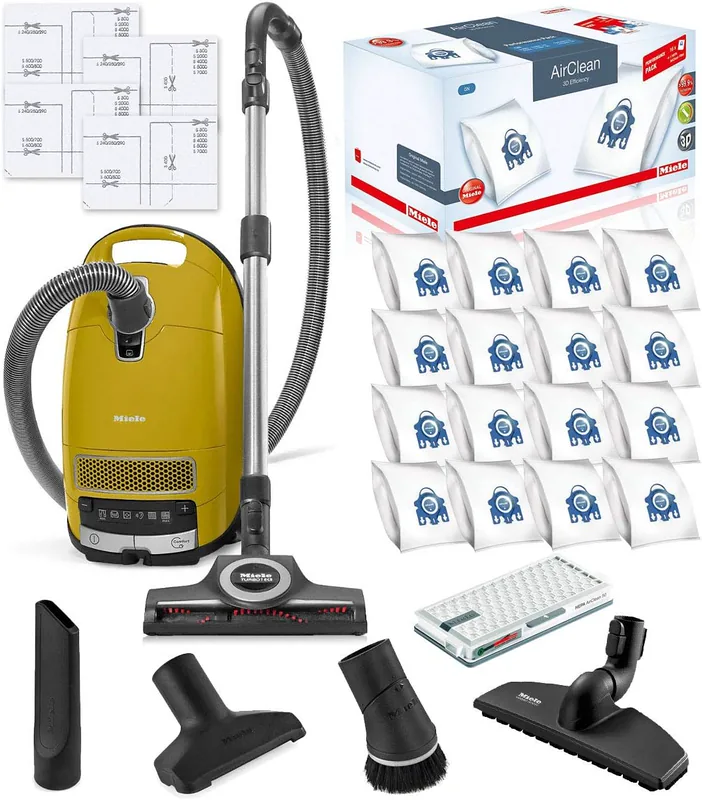
Emptying a bag takes seconds and no contact. The collar slides off, the bag drops into the bin, and a new one clicks into place. The dust never becomes airborne in the room, which is the entire point of the design.
Emptying a bin takes longer and is messier. The lid comes off, the contents have to be tipped out, and fine dust clings to the sides and needs shaking loose. Doing it outdoors helps, which is not always convenient in an apartment or on a rainy day.
Filters are the quiet maintenance cost of bagless machines
Both designs have filters, but a bagged machine’s filter is protected by the bag and is washed or replaced rarely. A bagless machine’s filter does far more work and needs rinsing on a schedule that depends on how much dust the floors hold.
Skip that schedule and the machine loses suction in a way that feels like motor failure but is usually a clogged filter. Owners who replace bagless vacuums early often do so because of this, not because the motor actually died.
What a HEPA filter actually does for allergies
A HEPA filter traps a high proportion of fine particles, but it only helps if the air passes through it and the housing seals properly. A leaky bin gasket undoes a good filter, which is why a simple bagged machine with a well-sealed path often performs better in practice than a bagless model with a premium filter.
Running costs move in opposite directions
Bags cost money and have to be bought in the right size. Filters cost money and have to be washed. Which is cheaper over a year depends on how often you vacuum, how large the home is, and whether you buy consumables in bulk or one pack at a time.
There is a second cost that is easy to miss: time. A bag change takes under a minute and needs no drying time. A filter rinse needs a day to dry before the machine can be used again, which is a real problem for anyone who owns only one vacuum.
Suction does not fade the same way on both designs
In a bagged machine, airflow stays fairly steady as the bag fills and then drops sharply near the end. You learn the rhythm quickly, because the machine tells you the bag is nearly full by getting quieter.
A bagless machine loses suction more gradually as the cyclone, pre-filter, and main filter load up. Because the change is slow, owners adapt without noticing until they clean everything at once and feel the difference immediately.
Why bagged suction stays steady
The bag’s surface area is large compared with the airflow, so dust builds in a thin layer rather than blocking the path. Replace the bag and the machine returns to its original performance with no cleaning required at all.
Bagless machines are easier to inspect, which cuts surprises
A clear bin shows what the machine is picking up, including the difference between a clean rug and one that still has grit in it. That feedback is genuinely useful while you are learning how many passes a carpet needs.
Bagged machines hide that information. You judge by feel and by the weight of the bag when you lift it out, which is why some owners keep a spare on hand and change it on a schedule rather than waiting for a signal.
Hair and pet fur change the maths
Long hair wraps around brush rolls and bridges across bins. In a bagless machine that bridge can block the cyclone inlet and needs to be pulled out by hand. In a bagged machine the hair goes into the bag and leaves with it.
Pet fur behaves similarly, but it also carries dander, which is the part that triggers allergies. A sealed bag keeps dander out of the air during disposal, and that matters more to an allergy household than the capacity difference between the two designs.
Storage and handling favor the sealed bag
Bags are flat and light, and a year’s supply fits in a drawer. A bagless machine has no consumables but needs space for the bin, the filters, and the tools, and it often weighs more because the cyclone assembly sits above the motor.
Neither design is hard to store. The practical difference appears when the machine is knocked over: a bagged unit stays sealed, while a bagless bin can pop its lid and spill its contents across the floor.
Repair and longevity favor simpler machines
A bagged vacuum has fewer parts in the dust path: hose, bag, filter, motor. A bagless machine adds a cyclone, a shroud, a pre-filter, and a bin seal, and each of those is a place where dust can clog or a gasket can fail.
Simplicity is not the same as durability, but it does mean fewer things to clean and fewer seals to replace. Well-built machines of either type last, and the cheapest of either type usually does not.
When a bagless machine still makes sense
If nobody in the house reacts to dust, if the floors are mostly hard rather than carpeted, and if you like seeing the bin fill up, a bagless machine is the more pleasant tool to live with. The mess of emptying is small when the debris is mostly crumbs and pet hair.
Which one suits an allergy household
For an allergy household the priority is keeping dust out of the air at every step. That points to a sealed bag, a well-gasketed housing, and a filter that is replaced rather than washed. It also points to emptying the machine outdoors or in a utility room whenever possible.
A bagless machine can work if it has a good seal and a HEPA filter, but the emptying step remains the weak point. Anyone who has tipped a bin and watched a cloud rise will understand the trade immediately.
How the two designs compare side by side
The table below describes behaviour rather than a winner. Swipe sideways on a phone to see every column, and match each row to the way your home actually gets cleaned.
| Aspect | Bagged | Bagless |
|---|---|---|
| Dust containment | Sealed inside a bag | Open bin with a lid |
| Emptying | Bag drops out whole | Tip and shake the bin |
| Filtration | Bag plus motor filter | Cyclone plus washable filters |
| Running cost | Bags to buy | Filters to wash, fewer to buy |
| Suction over time | Steady, then drops at the end | Fades gradually with clogging |
| Allergy fit | Better, dust stays sealed | Depends on seals and care |
| Maintenance | Change bag, rare filter | Rinse filters, clear blockages |
| Best fit | Carpet, pets, allergy households | Hard floors, light debris, visible proof |
A practical way to choose
Start with the people in the house. If anyone reacts to dust, choose the design that keeps dust sealed and accept the cost of bags. If nobody does, choose the design you will actually empty without dreading it.
Then look at the floors. Carpet holds more fine dust, which loads filters faster and makes the bagged design more forgiving. Hard floors produce debris that is easy to see and easy to tip out. Our canister versus upright comparison covers the next decision, and the Home Improvement & Tools section has the rest.
- Note who in the house reacts to dust.
- Check whether the majority of floors are carpet or hard.
- Pick the emptying routine you will keep up with.