Home cleaning · Robot floor care
A vacuum lifts dust, crumbs and hair off every floor you own. A mop wipes the hard floor once the loose mess is gone. Which one earns a dock first comes down to how much of your home is bare floor and how much is rug.
Most people shopping for a first floor robot are really asking one question: do I need the vacuum or the mop? The two machines do different jobs, and buying the wrong one is the usual reason a robot ends up parked in a corner within a month.
The guide below compares what each machine actually does, where each one stops being useful, and which of the three robots further down fits which kind of home. There is no single winner, because the right answer changes with the floors you walk on.
Quick answer
- Carpet, mixed floors, or a shedding pet: buy the robot vacuum first, because suction is the daily job.
- Mostly bare tile or sealed wood: a robot mop earns its place as soon as the loose debris is handled.
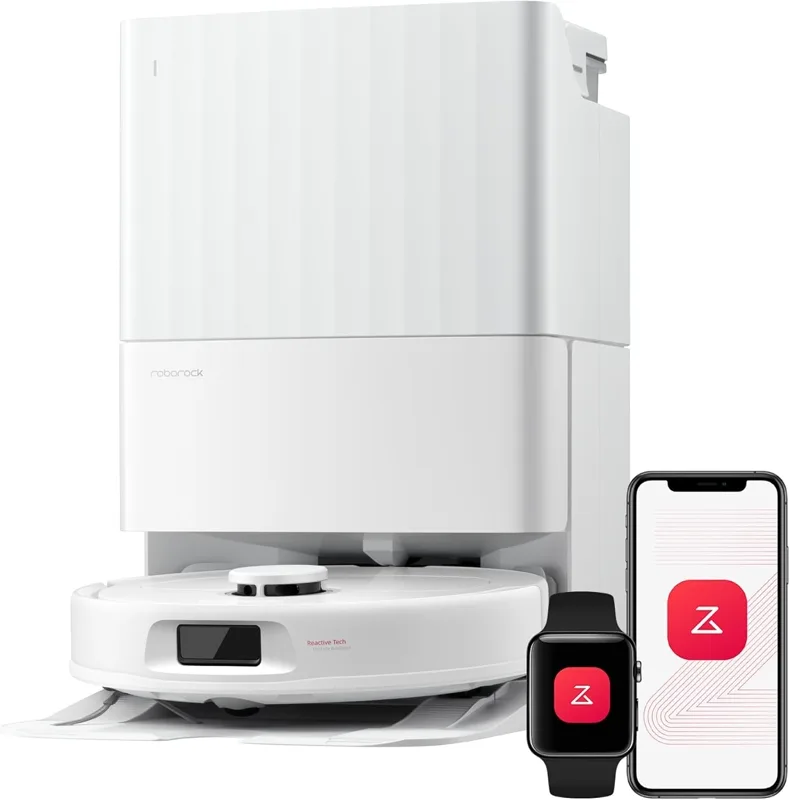
- One dock, one app, both jobs: a combo robot is the tidy answer if you would rather not run two machines.
- Order of purchase: vacuum first, mop second, and a combo only once the vacuum habit already works.
A robot vacuum and a robot mop solve two different messes
A robot vacuum is a floor sweeper with a motor. It pulls dust, crumbs, sand and hair off carpet and hard floor into a bin, and in most homes it carries the daily load.
A robot mop is a wet wiper. It drags a damp pad or a spinning brush across a hard floor to lift the film that dry pickup leaves behind. It does not pick debris up well, and it does not belong on carpet at all.
What a robot vacuum does that a robot mop cannot
Suction reaches into carpet pile and lifts the grit a wet pad would only smear around. That is why the vacuum is the machine that works on every floor type in the house, including the rug in the spare room.
A vacuum also handles volume. Pet hair, tracked-in sand and counter crumbs are a daily load, and a vacuum bin is built to swallow them without you thinking about it. A mop sees none of that.
What a robot mop does that a robot vacuum cannot
A mop removes the sticky layer suction cannot touch: dried spills, kitchen grease, the faint film that makes a hard floor look dull. Wiping is a different action from lifting, and no amount of suction copies it.
On tile and sealed hardwood a mop pad also gets into the shallow texture where fine dust settles. That is why a mopped hard floor looks visibly different from a vacuumed one, even when the vacuum is the stronger machine. For a deeper look at the category, the robot mops for tile floors roundup covers the mop side on its own.
Why the floor type decides which machine you buy first
If most of your floor is carpet, a mop-only robot has almost nothing to do. It cannot run on rug, and the bare strips around a bed are not worth a dedicated machine.
If most of your floor is bare tile or sealed wood, the reverse is true. A vacuum still helps, but the visible difference in a kitchen comes from wiping, so a mop earns a place sooner.
A vacuum-only robot on hard floors
A vacuum is not wasted on hard floors. It is the machine that clears the crumbs and hair before a mop ever touches the floor, and a mop run over loose debris just pushes grit into a wet paste.
Rugs and thresholds are the first thing to check
A mop has to be kept off every rug, and how well a robot manages that is set by its mapping and its no-go zones. A vacuum needs the opposite: the power to climb a low-pile rug and drop back off the edge.
Thresholds between rooms matter too. A mop that stalls on a lip will never reach the bathroom, so walk the floor plan once before you choose a machine.
Suction and mopping pressure are described differently for a reason
Vacuum specs talk about suction, airflow and brush design. Mop specs talk about scrubbing pressure, pad material and how water is applied. The two sets of numbers measure different things, and a big suction figure says nothing about how well a machine mops.
That is also why a combo unit is never simply the sum of its parts. A robot that vacuums well may still mop lightly, and the honest comparison is about behaviour, not one headline number.
Water tanks separate a light wipe from a real mop
A small tank means a short wipe before a refill, which suits a bathroom or an entryway. A larger tank, or a dock that refills the robot, lets it cover a whole main floor without you topping anything up.
Dirty water is the other half of the story. A robot that only sprays clean water and drags a pad is fine for light upkeep; a robot that rinses the pad as it goes is what keeps a floor from picking up a grey film.
Navigation and mapping matter more once a mop is involved
A vacuum that wanders still picks up some dust. A mop that wanders can drag a wet pad across the same clean patch, or worse, over the corner of a rug. Mapping is what lets you fence a mop away from fabric.
Multi-floor maps, no-go zones and room-by-room scheduling are the features that decide whether a mop is a help or a hazard. A vacuum can survive without them. A mop cannot.
A mop-only robot with rugs in the house
If your home is mostly hard floor with one or two rugs, a mop-only robot plus a no-go zone over each rug is a clean solution. The machine never has to guess, because you told it where not to go.
Docking and self-maintenance decide how often you actually run it
The feature that keeps a robot in daily use is the dock. A self-emptying base lets a vacuum run for weeks without you touching the bin, and a base that washes and dries the mop pad stops the pad sitting damp and sour between runs.
Without that routine the habit collapses. A robot you have to empty and rinse every day is a robot you stop running, and the best machine in the world does nothing parked in a cupboard.
Pets and long hair tilt the choice toward suction
In a home with a shedding dog or a long-haired cat, the daily problem is hair, and hair is a suction job. A mop will push a wet clump along the floor rather than lifting it out of the way.
Brush design and a bin sized for hair matter here more than the headline suction number. An anti-tangle brush is what keeps a vacuum useful when the shedding is heavy every day, which is the same reason a robot vacuum and a cordless stick vacuum split the work in a pet home.
How the three picks compare
The table sets the three robots side by side on the points that decide which one belongs in your home. On a phone, swipe it sideways to see the full width.
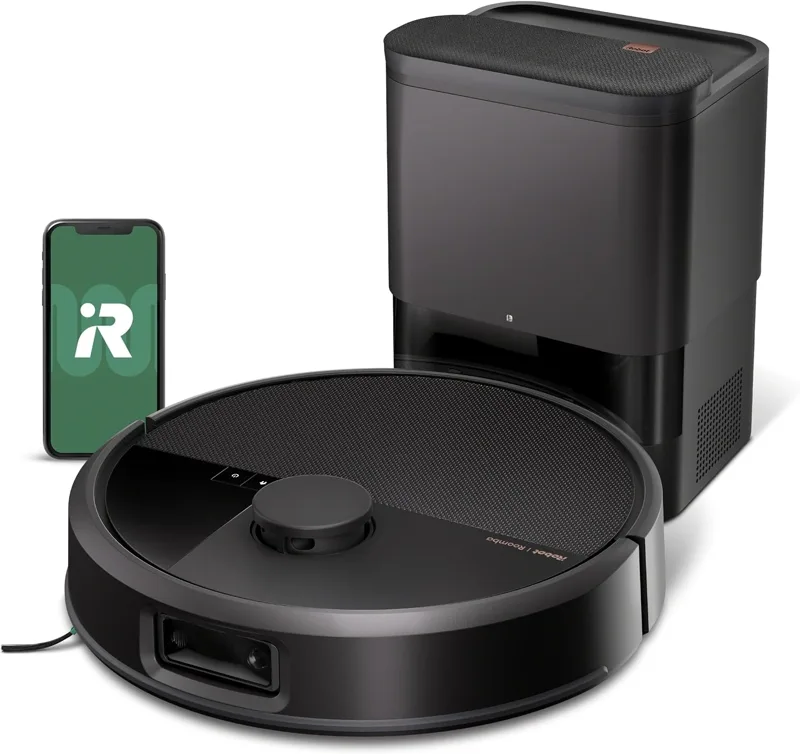
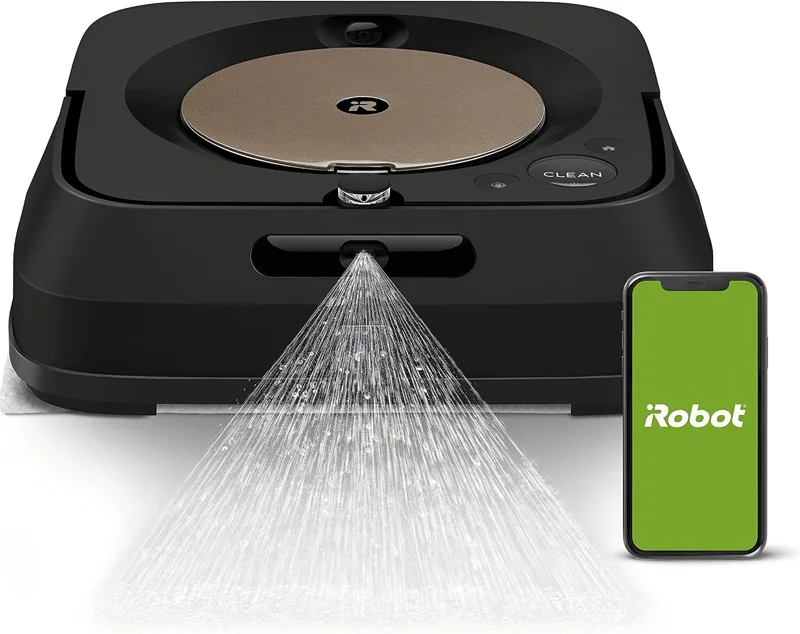
| Aspect | Roomba Max 715 | Braava Jet m6 | roborock Qrevo S Pro |
|---|---|---|---|
| Main job | Dry pickup | Wet wiping | Both in one unit |
| Floor it suits | Carpet and bare floor | Bare tile or sealed wood | Mixed floors |
| Rugs | Climbs a low-pile rug | Keep it off every rug | Mop must avoid rugs |
| Debris it takes | Hair, crumbs, sand | Light dust only | Hair and crumbs |
| Water handling | None | Tank sprays and wipes | Dock refills and washes |
| Dock | Self-emptying base | Charge and refill base | Self-empty plus pad wash |
| Best room | Whole home with pets | Kitchen and entryway | Whole home, one unit |
| Main trade-off | Does not wipe | Cannot clean carpet | Mops more lightly |
This is a behaviour comparison of three floor robots for different homes, not a ranking of one product over another.
What neither robot will do for you
Neither machine climbs a step, and neither cleans a stair carpet. Neither picks up a sock or a charging cable without a tangle, and neither replaces a deep clean on a floor that has not been washed in a season.
A mop also does not sanitise. It lifts the visible film; it does not disinfect a floor, and the pad still needs washing on a schedule you set for it.
How to choose between them in one pass
Start with the floor. Count the rooms that are bare hard floor and the rooms that are carpeted. If carpet wins, or if pets and hair are the daily complaint, buy the vacuum first.
If bare floors win and the kitchen is the room that bothers you, buy the mop first and give it a no-go zone over every rug. If you want one dock and one app and would rather not run two robots, the combo is the answer, as long as you accept that it mops lightly rather than deeply.
A combo unit as the single-robot answer
A combo robot is a vacuum with a mopping attachment. It is the right pick when you want the daily suction job and a light weekly wipe from one machine, and you do not want two docks competing for outlets.
The short version
For a carpeted or pet-heavy home, the Roomba Max 715 is the vacuum that runs first, and its self-emptying dock is what keeps it in service. For a hard-floor kitchen or entryway, the Braava Jet m6 is the mop that finishes the job the vacuum starts.
For a house that wants one robot and one dock, the roborock Qrevo S Pro covers both jobs. Whichever you pick, run it on a schedule, clear the cables, and keep the brushes clean: those habits decide more of the result than the badge on the lid.